
Gynecology World Conference 2026
Speakers - GWC2026
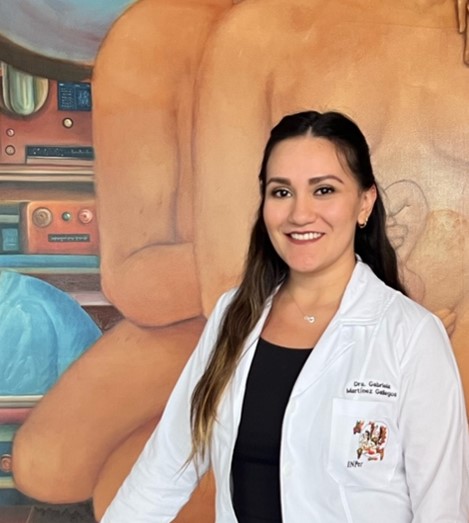
Alice Gabriela Martinez Gallegos
Alice Gabriela Martinez Gallegos
- Designation: Instituto Nacional de Perinatologia
- Country: Mexico
- Title: Perinatal Outcomes of Conservative Management of Preterm Rupture of Membranes in a Tertiary Hospital
Abstract
Preterm premature rupture of membranes (PPROM) is a significant clinical problem due to its frequency and impact on maternal and neonatal health. It contributes substantially to the global burden of prematurity, which is responsible for high maternal and neonatal morbidity and mortality. This underscores the importance of understanding and appropriately addressing the underlying conditions. The etiology of PPROM is not fully understood. Activation of extracellular matrix-degrading enzymes, stimulated by microorganisms or pro-inflammatory mediators, is one of the most widely accepted mechanisms; however, its precise contribution and interaction with other factors remain under investigation.
Clinical management of PPROM involves a balance between intensive monitoring and prevention of infectious complications, with the aim of prolonging gestation and promoting fetal maturation without endangering the mother or fetus. In the absence of labor or clinical signs of chorioamnionitis, international guidelines recommend expectant management, generally in a hospital setting, which includes frequent monitoring and the use of broad-spectrum antibiotics to reduce the likelihood of ascending infection and improve perinatal outcomes. However, controversies persist regarding the optimal management of preterm premature rupture of membranes (PPROM) due to the heterogeneity in clinical presentation, limitations in predicting which patients will develop infections, and variability in the duration of the latency period, which have hindered the establishment of uniform strategies. In this context, it is essential to generate local data that will allow for a better understanding of the clinical behavior of this condition and its outcomes in referral institutions.
Welcome to GWC 2026 – Gynecology World Conference. July 20–22, 2026 | Singapore
Theme: "Exploring the Full Spectrum of Gynecology: Health, Hormones, and Healing."
Join global l ...
Read More>>
Organizer
